
When an emergency happens, it’s not always knowledge alone that saves lives — it’s confidence. Even with excellent training, many people hesitate to act in real situations, fearing they might make a mistake. Yet doing something, calmly and quickly, is almost always better than doing nothing at all.
Confidence is what transforms theory into action. It allows you to step forward instead of freezing, to trust your instincts, and to apply your training effectively under pressure. In this post, we’ll explore why confidence is the single most important First Aid skill you can learn, how to build it, and how it changes the outcome of every emergency response.
Confidence Turns Knowledge into Action
You can know every First Aid step by heart, but in the moment of crisis, your ability to act matters most. Confidence bridges the gap between what you’ve learned in the classroom and what you do when someone needs urgent help. Without it, hesitation can cost vital seconds.
- Helps overcome the fear of making a mistake or causing harm
- Enables faster, more decisive action when every second counts
- Improves your ability to recall training clearly under stress
- Creates calmness that reassures both the casualty and bystanders
Fear and Hesitation: The Real Barriers to Helping
Many people worry about “doing it wrong” when it comes to First Aid. They freeze, panic, or look for someone else to take charge. This hesitation can delay help at the most critical time — but confidence training helps overcome these natural fears.
- Addresses common myths about liability and mistakes in First Aid
- Builds understanding that any help is better than none in emergencies
- Reinforces the value of staying calm and thinking clearly under pressure
- Encourages a proactive mindset where people are willing to step up
How Training Builds Real Confidence
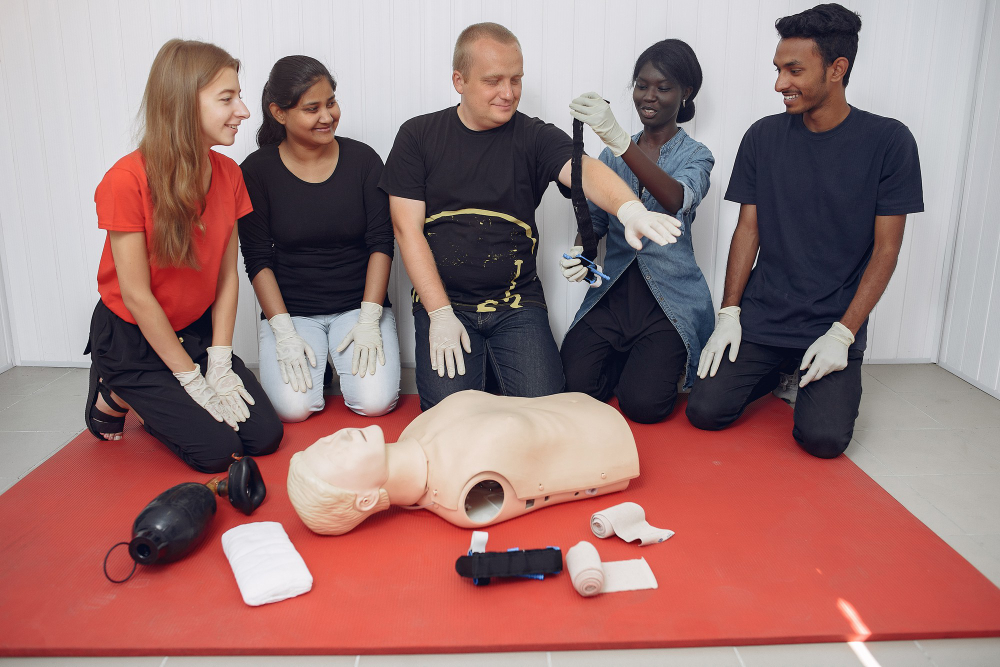
Confidence doesn’t appear overnight — it’s developed through hands-on practice, repetition, and clear understanding. First Aid training focuses on building familiarity so that actions become second nature, even when emotions are high.
- Provides practical experience through demonstrations and scenarios
- Encourages repetition to strengthen memory and technique
- Gives learners the chance to ask questions and correct mistakes safely
- Uses realistic simulations to prepare for real-life pressure situations
The Psychology of Acting Under Pressure
When adrenaline kicks in, even simple tasks can feel overwhelming. Understanding how the body and mind react in emergencies helps trainees prepare for that moment and respond with composure rather than panic.
- Explains how stress affects decision-making and physical control
- Teaches breathing and focus techniques to stay calm
- Encourages breaking actions into manageable, sequential steps
- Builds awareness of emotional responses to maintain control
The Role of Confidence in CPR and AED Use
Cardiac arrest is one of the most intimidating emergencies anyone can face. Confidence is key when performing CPR or using an AED — both require immediate action and belief in your ability to make a difference.
- Reinforces that early CPR and AED use dramatically increase survival rates
- Builds trust in the technology and in your training to guide each step
- Removes fear of causing harm, as AEDs are safe and self-regulating
- Empowers responders to stay composed while waiting for professionals
Confidence Improves Communication in Emergencies
In any crisis, clear communication can save time and prevent confusion. Confident First Aiders give instructions effectively, coordinate help from others, and keep the casualty calm while waiting for medical assistance.
- Teaches assertive but compassionate communication techniques
- Helps control the scene and delegate roles to bystanders
- Encourages clear, simple language when giving instructions
- Builds reassurance that keeps casualties and witnesses composed
How Confidence Supports Mental Health First Aid
Confidence isn’t only about physical emergencies — it also plays a vital role in supporting mental health. Having the assurance to start a conversation about someone’s wellbeing can prevent crises and foster early intervention.
- Encourages empathetic listening and non-judgemental communication
- Builds readiness to approach sensitive topics without fear
- Teaches how to respond calmly to signs of distress or crisis
- Reinforces that confidence comes from preparation, not perfection
Overcoming the Fear of Responsibility
Some people avoid action because they feel they’ll be “held responsible” if something goes wrong. Confidence training helps replace that fear with understanding — that First Aiders act in good faith to preserve life, and that’s always the right thing to do.
- Clarifies legal protections for those offering First Aid in good faith
- Emphasises moral and ethical responsibility to assist others
- Reinforces the principle that inaction can cause greater harm
- Builds courage to step forward when others hesitate
Building Confidence Through Teamwork
Confidence grows faster when people work together. Group First Aid training encourages collaboration and mutual support, helping teams trust one another’s abilities in a crisis.
- Encourages shared responsibility rather than relying on one person
- Builds trust and coordination among colleagues and peers
- Improves teamwork during simulated and real emergencies
- Strengthens overall workplace safety culture and morale
Why Regular Refresher Training Reinforces Confidence
Confidence fades over time if skills aren’t revisited. Regular refresher training ensures techniques remain sharp, familiar, and instinctive. The more often you practise, the stronger your confidence becomes.
- Reinforces memory through repetition and practical application
- Updates knowledge with the latest First Aid guidelines and techniques
- Rebuilds familiarity with equipment like AEDs and First Aid kits
- Provides reassurance that your actions will be correct and effective
The Connection Between Confidence and Performance
Studies show that confident people perform better under stress, not because they know more, but because they trust themselves to act. In First Aid, that trust saves lives — it reduces hesitation and increases the quality of response.
- Builds self-belief through experience, feedback, and reinforcement
- Encourages adaptive thinking when situations don’t go exactly as planned
- Promotes faster decision-making with less self-doubt
- Improves overall safety outcomes in both minor and serious incidents
How Confidence Impacts Workplace Culture
A confident workforce is a safer workforce. When employees feel empowered to act in emergencies, it creates a culture of responsibility and care throughout the organisation.
- Encourages everyone to take ownership of workplace safety
- Reduces anxiety about emergencies among employees and managers
- Builds trust between staff, knowing colleagues can handle crises
- Strengthens morale by creating a supportive, proactive environment
Confidence as a Lifelong Skill
The confidence gained through First Aid training doesn’t stop at work — it stays with you for life. Whether at home, in public, or on holiday, the ability to stay calm and act effectively is a transferable skill that benefits everyone.
- Empowers individuals to respond in any environment, not just the workplace
- Builds courage to help strangers and loved ones alike
- Reinforces lifelong habits of awareness and preparedness
- Provides peace of mind knowing you can make a real difference
Developing Confidence Through Experience
Confidence deepens every time you use your First Aid skills — whether in practice or a real emergency. Even small experiences, like helping with minor injuries, reinforce self-belief and readiness for bigger challenges.
- Encourages reflection after each First Aid experience to improve learning
- Builds familiarity with real-world application and unpredictability
- Strengthens memory of correct procedures through repetition
- Converts anxiety into assurance through hands-on experience
Conclusion: Confidence Is the True Life-Saving Skill
Knowledge saves lives — but only when it’s applied. Confidence is what transforms a bystander into a responder, a colleague into a lifesaver. It’s not about being fearless; it’s about trusting yourself to do what you’ve been trained to do.
By practising regularly, staying informed, and believing in your ability to help, you ensure that if the moment ever comes, you’ll act decisively and effectively. Because in First Aid, confidence isn’t just a skill — it’s the foundation that makes every other skill work when it matters most.

5 star reviews

Vocational qualifications

Online video


REVIEWS