
First Aid training is one of the most important investments you can make, both as an individual and as an organisation. While general First Aid provides essential skills, paediatric First Aid goes a step further by focusing specifically on children and infants. Because younger people have different needs in emergencies, this training can be the difference between life and death.
For childcare workers, teachers, and parents, knowing what to do in an emergency is not only reassuring but often a legal or regulatory requirement. Deciding whether this course is right for you involves looking at your responsibilities, your environment, and the benefits the training provides. This guide will help you assess whether paediatric First Aid training should be your next step.
What Is Paediatric First Aid?
Paediatric First Aid is a specialised course designed to prepare people to respond to medical emergencies involving babies, children, and young people. Unlike standard First Aid, which often focuses on adults, this training addresses age-specific conditions, anatomy, and behaviours. It recognises that children are not simply “smaller adults” and require tailored approaches.
- Covers CPR and resuscitation techniques for infants and children
- Provides guidance on choking, breathing issues, and allergic reactions
- Focuses on illnesses common in children such as fevers, seizures, and asthma
- Teaches how to assess situations calmly while caring for young patients
Who Should Take a Paediatric First Aid Course?
This course is not just for nursery staff—it benefits a wide range of people who spend time with children. Anyone who has responsibility for children’s safety, either professionally or personally, can gain valuable skills. It gives confidence in handling emergencies that might otherwise leave people unsure of how to act.
- Essential for early years staff to meet Ofsted and EYFS requirements
- Recommended for teachers, childminders, and support staff in schools
- Beneficial for sports coaches, youth workers, and after-school club leaders
- Valuable for parents, guardians, and foster carers looking to build confidence
Course Content and Structure
The paediatric First Aid course is comprehensive and detailed, covering a wide range of situations that children may encounter. Typically, the course lasts for 12 hours and is often delivered over two days. It combines theory with practical training so participants can apply knowledge in real-world scenarios.
- CPR and defibrillator (AED) training adapted for babies and children
- Managing choking, bleeding, burns, and head injuries in young patients
- Recognising and treating allergic reactions, asthma, and seizures
- Role-play and scenario-based learning to build practical confidence
Legal and Regulatory Compliance
In many childcare and educational settings, paediatric First Aid is not optional but legally required. Regulations ensure that children are cared for by adults who can respond appropriately to emergencies. Understanding these requirements is vital for both compliance and safety.
- The Early Years Foundation Stage (EYFS) framework sets mandatory standards
- Ofsted inspections require evidence of valid paediatric First Aid certificates
- At least one trained staff member must be present at all times in early years settings
- Non-compliance can impact ratings, registration, and parental trust
Benefits Beyond Compliance
While meeting regulations is important, the benefits of paediatric First Aid training extend much further. It empowers individuals to feel confident and capable when looking after children. It also demonstrates a commitment to safety that reassures families and strengthens trust in an organisation.
- Provides peace of mind when supervising children in any environment
- Reduces fear and panic during stressful emergencies
- Shows commitment to safeguarding and professional responsibility
- Improves employability and career prospects for childcare staff
Choosing Between Full and Emergency Paediatric First Aid
There are two versions of the paediatric First Aid course, and the right one depends on your role and responsibilities. The full course is often mandatory, while the shorter option may be sufficient for those in lower-risk roles. Understanding the difference ensures you pick the right training.
- The full 12-hour course meets Ofsted and EYFS requirements
- The 6-hour emergency course covers key essentials but is less in-depth
- Employers must match staff training to the risks of their environment
- Emergency courses can be topped up later to achieve the full qualification
How It Differs from General First Aid
Some people assume general First Aid training is enough, but paediatric courses provide specialist knowledge that general courses cannot offer. Children’s physiology and responses are different, meaning they require unique approaches. For those working with children, paediatric First Aid is far more suitable.
- Focuses on children’s smaller airways and faster breathing rates
- Includes conditions like febrile convulsions, absent from workplace courses
- Prepares staff to manage frightened or distressed young patients
- Incorporates safeguarding considerations alongside medical response
What to Expect During Training
For many, the thought of First Aid training can feel daunting, but paediatric courses are designed to be accessible and engaging. Trainers create supportive environments that combine demonstrations with hands-on practice. This approach ensures that learners leave feeling confident in their abilities.
- Courses include theory lessons, videos, and group discussions
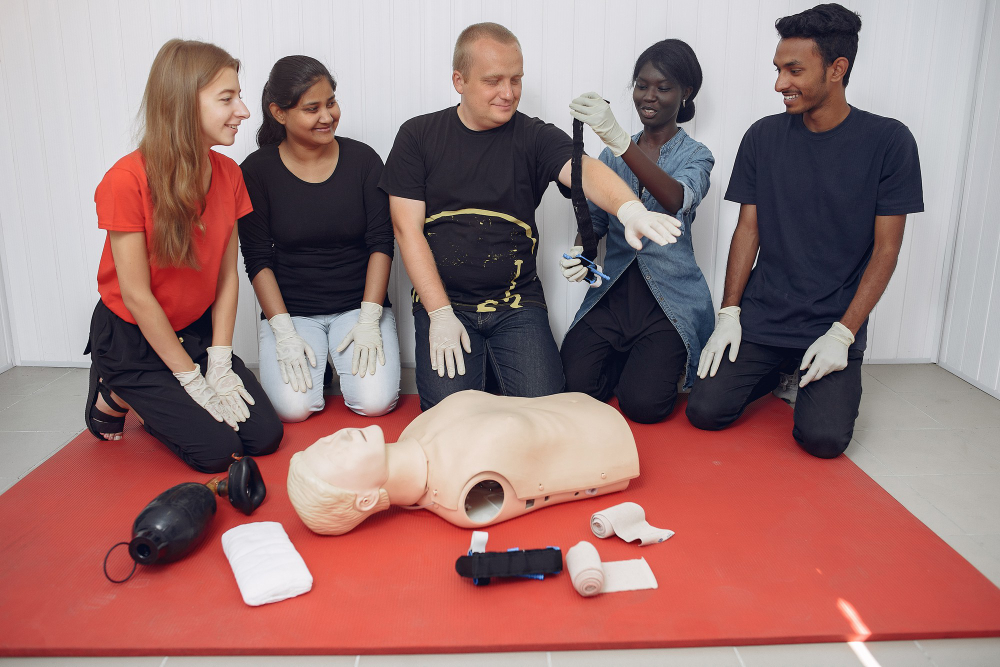
- Practical sessions use mannequins to practise CPR and choking responses
- Assessments are based on participation, demonstrations, and scenarios
- Certificates last for three years, providing long-term reassurance
Selecting the Right Training Provider
The effectiveness of paediatric First Aid training depends on the provider’s quality. Accredited, experienced trainers deliver courses that meet regulatory standards and ensure certificates are recognised. Choosing wisely ensures your training investment is worthwhile.
- Confirm providers are approved by awarding bodies such as Ofqual
- Check trainers have experience with paediatric care and instruction
- Look for flexibility with on-site or group training options
- Read reviews or testimonials from schools, nurseries, or parents
Keeping Skills Fresh and Relevant
First Aid skills fade over time, and paediatric care is no exception. Employers and individuals should plan ahead to ensure that knowledge remains current. Refresher training and requalification keep staff compliant and confident.
- Certificates last three years but refresher sessions are recommended annually
- Encourage staff to practise skills periodically to avoid knowledge gaps
- Review policies and update procedures in line with new guidelines
- Ensure requalification is scheduled well before certificates expire
Conclusion
So, is the paediatric First Aid course right for you? If you are responsible for children in any capacity—whether as a parent, childcare worker, teacher, or coach—the answer is yes. This training not only ensures compliance with regulations but also equips you with the skills and confidence to act decisively in emergencies.
By investing in paediatric First Aid, you’re investing in safety, reassurance, and peace of mind. Emergencies involving children can be frightening, but with the right knowledge and preparation, you can make a positive difference when it matters most. For anyone who values the wellbeing of children, this course is not just suitable—it’s essential.

5 star reviews

Vocational qualifications

Online video


REVIEWS